

Alexandra | 4/12/2024
This post contains general information about autism, signs across both biological genders, and its links to genetics. For more information, check out this MedlinePlus.gov article on autism. Feel free to go through their site to find out about other neurological disorders.
So if you’re new here, welcome! For those who don’t know, I have a son with autism. When we first learned that he may be autistic — around age 1.5 — we had no idea what that could possibly mean for him in terms of quality of life. And me being the mother that I am, I immediately started wondering if there was something I did directly to cause this. I say that for a variety of reasons, but the biggest reason is because of my pregnancy and birth story.
My son was due during cold and flu season, so the majority of my third-trimester OB/GYN visits concluded with a nurse suggesting that I get a flu shot, reassuring me that my baby would also see some of the benefits of that shot after birth. After hemming and hawing about it for weeks, I finally decided to go ahead and get the shot. I didn’t think much of it after that point.
Fast forward to two weeks before my due date: I was dealing with pre-eclampsia. Now, some blood pressure increases are normal during that time of pregnancy. It’s just that mine were higher, consistent spikes… and they couldn’t be regulated. I was also experiencing terrible back pains (also normal for pregnancy). So my OB/GYN directed me to take Tylenol to help with both. It was helping with the back pains and seemingly the blood pressure. Then one night, I started feeling pains and decided to go into the hospital, thinking I was possibly going into labor, or worse — that something could be wrong.
Once I got there, everyone was surprised to find that I was standing up on my own, signing myself into triage without issues. Clearly I wasn’t contracting. I wasn’t bleeding or consistently feeling any pain, so why on earth was I there? Nevertheless, I was taken back into triage and hooked up to IV. They started taking my vitals and noticed that my blood pressure was, again, crazy high. So needless to say, I was admitted almost immediately.
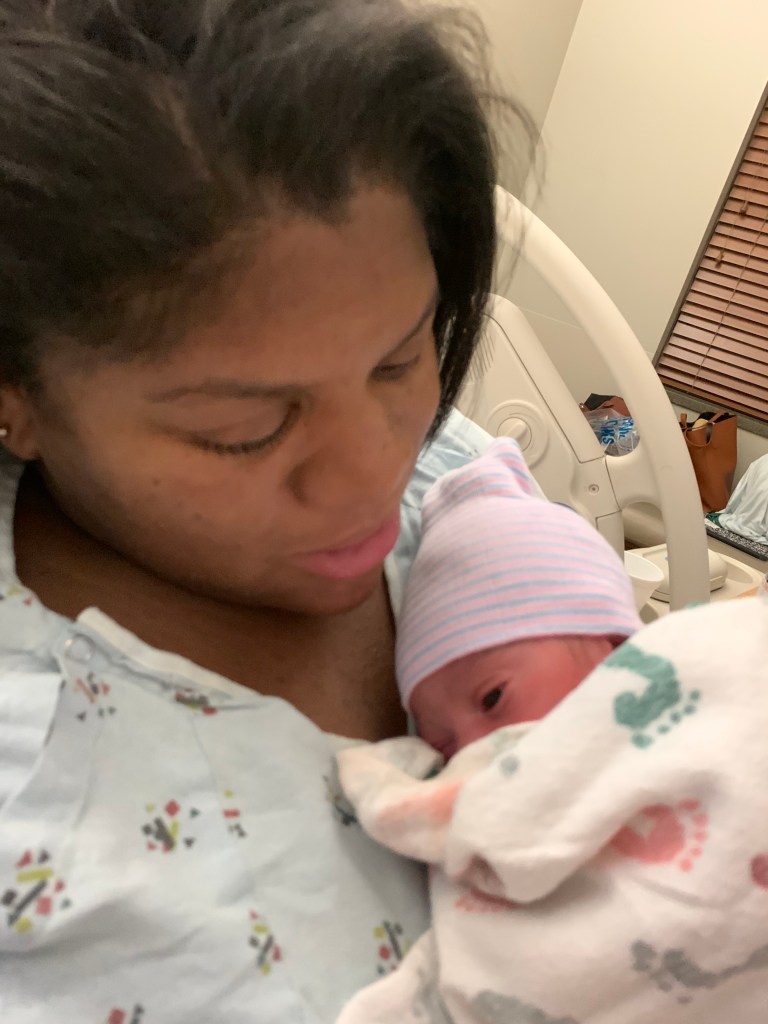
My labor was induced because the staff couldn’t regulate my blood pressure. I was in labor for close to 12 hours before I finally got to meet my sweet little baby boy. The moment I pushed him out, I could barely see him or his face. All I could see was that he had the deepest dimples I’d ever seen on a baby. He got them from my dad, so I knew immediately he’d look a lot like me as he grew. I remember looking at his little face and whispering, “Now, what on EARTH am I gonna do with you? You know, I have no idea what I’m doing.” I held him as my husband came over and gave me a kiss on my forehead, telling me that I did it. It was a beautiful moment that I really don’t remember much of, outside of those few details. Because immediately afterwards, something clicked. Like a switch turned off. Suddenly my baby’s beautiful dimples started fading away and the room started to glow in this white, etherial type of color. Then I drifted away. I thought I was dying. I couldn’t speak. And I heard nurses around me speaking softly and urgently, I’m guessing to my husband and mother. And I could hear my dad in the background asking, “She alright?” I wasn’t, but I couldn’t find the strength to answer.
Thankfully, I woke up. My beautiful baby was laying next to me in his bassinet, sleeping peacefully. And a nurse was telling me that my blood pressure had entered into the stroke zone and that I’d need to be transferred to another room with a more comfortable bed because I’d be staying there for a while. I needed a magnesium sulfate hook-up to get my blood pressure down and keep it consistent before I could even think about going home.
The nurses tried and tried, but my blood pressure wouldn’t go down the rest of that day. Each of them were so surprised to see how well I was holding up, reminding me that my blood pressure was still dangerously high, and each equally surprised to learn that I’d never had a history of blood pressure issues. I wasn’t allowed certain foods from the cafeteria, I could only drink ice water, and I had to have assistance to go to the bathroom… which was almost every hour on the hour. Even in the night. I was miserable.
I stayed in that room for over a day before finally being allowed to go to the post-birth room in the middle of the night, where I stayed for another full day under close monitoring from the nurses and doctors. I was finally cleared to go home after 4 days in the hospital. Upon release, I was told just how intense my situation was. Long story short, it was bad y’all.
Our son’s diagnosis (plus an unexpected bonus!)
Jumping ahead about a year: my son just turned 1, the pandemic is in full swing, and we’re in quarantine out of an abundance of caution for our little one. My mom noticed that he’s not really speaking — and when he does, his mouth is closed. She looked it up and it turns out that it’s a condition called apraxia of speech, frequently linked to autism. We’d also noticed that he was mostly walking on his toes and was already an insanely great climber. He started walking at 8 months and was running by 10 months.
I brought all of these things up during his 15 month visit with the nurse practitioner; she said that none of those things were really anything to worry about, that he’s just learning more about his environment, testing out different ways to walk and talk. I don’t normally question medical professionals — but that day, something in me said not to accept that answer. And I’m so glad I didn’t just take her word for it.
We kept an eye on him over the next few months and as more and more signs started showing up, I started talking more and more to the pediatrician (and owner of the practice) about my son’s symptoms and our concerns. By the time our son was 1.5 years old, my mom and I were certain he was autistic.
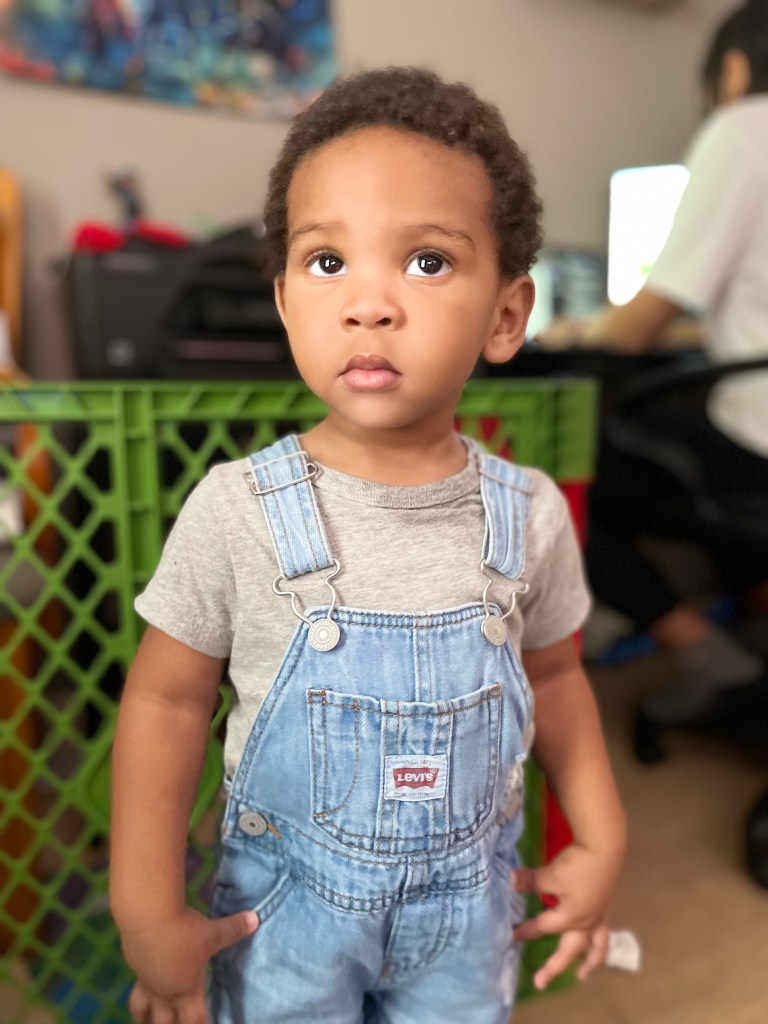
That was around the time that the class action lawsuits against Tylenol started becoming prevalent. This was also around the time that I first really started hearing stories from anti-vaxxers about children getting autism from vaccines. So naturally, I started to freak out a bit because, well, I’d done both while pregnant.
After taking an online assessment for my son and receiving some confirmation that he was in fact showing several signs of autism, I brought the assessment results into our son’s 18-month appointment to show his pediatrician, who then sent referrals off for speech therapy. During our speech evaluation, his therapist confirmed our suspicions and gave him a soft autism diagnosis. I was both relieved and nervous. My husband however, was suspicious.
“He can’t be, because I experienced all of those things. And I’m not autistic. I doubt that he is,” he said to me in the car. “Like, I’m not saying he’s not, but I just think it’s too soon to tell.” While I understood where he was coming from, I couldn’t just dismiss the online results and the therapist’s professional opinion. Our son still wasn’t two yet and most therapists can’t officially diagnose until then. So I held out hope that maybe he wasn’t autistic and was just socially awkward because he was basically born into quarantine and had not really interacted with anyone but us, my grandparents, and my dad. Maybe the nurse practitioner was right; he was just experimenting with the world around him. Maybe.
But then one day, while I was at my grandparents’ house, I saw another class action lawsuit linking autism to Tylenol during pregnancy. My fears started swirling again and I got to Googling, right there on their couch. It was then that I learned that autism is genetic; it was proven in two different ways:
1. All of the sites I read said that autism was genetic. So yeah, there’s that.
2. My husband fit all of the criteria. Each. and. every. one. He’s the poster child for autism, down to common special interests and social interactions. I sent him the link and all he could say was, “That sounds about right.” Well, that was easy.
It’s in the genes
From that point on, my husband began connecting dots between his childhood and autism. He said he always knew that something was different about him, but he never knew what. We’ve known each other since college, and he’s always complained about feeling lost the majority of the time that he’s awake — he’s literally said that sometimes he feels like his brain is completely empty. It’s almost as if he operates like an old computer from the 60s; when he’s not running an application or actively computing something, he’s just waiting for a command. The only program he’s running at the time is the UI. Nothing else. No background programs, no processes. Nothing. Just waiting for a command.
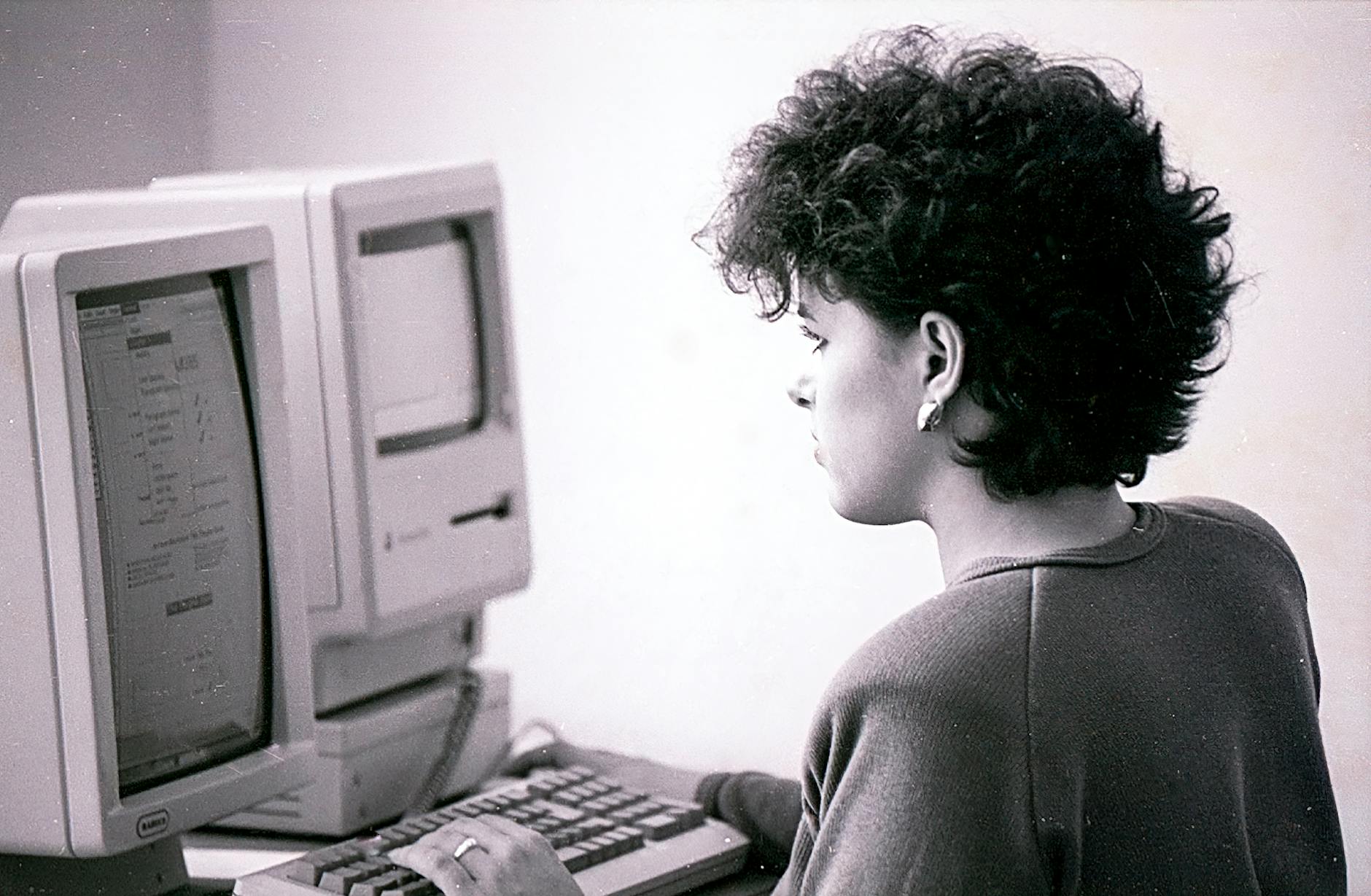
When I learned during my Google search that autism is almost solely linked to genetics, I honestly thought I was the one with the ’tism. Like my husband, I’d always known that something was different about me too. I’ve been writing for years, dating back into my elementary school days. I’ve written quite a few pieces of about myself being the odd ball out, despite easily making friends. As I got older, I felt myself becoming less interested in friends and more comfortable being by myself or only attaching myself to one person rather than a group of people; I think it’s why I’ve preferred romantic relationships over plutonic friendships. Hyper-focusing on one person seems less stressful than having to fit in with a group of brains and understanding the different people’s emotions.
To be completely honest, I’m still unsure if I have autism or not. I’m leaning towards no, but I’ve also learned a great deal about how autism looks extremely different in females than it does in males. I do know, however, that I have ADHD. And ADHD frequently collabs with autism. So I dunno. The jury’s still out. I’m hoping to get into someone’s office soon to discuss the possibility of autism and concerns I’ve been having since I’ve learned to unmask.
Now, I’m not a professional by any means. Just a mama who took a ridiculously deep dive into the world of neurodivergence in an effort to help my son, and now my husband and myself. And I will say this — in that deep dive, I’m noticing that many of our family members are showing signs of neurodivergence, too. I’ve actually peeped some clearly autistic family members. So yeah, can confirm that it’s genetic. In the event that they read this article, I’m not gonna say who… but I will say that the ’tism (and neurodivergence in general) seems to have popped up in both of our family trees. So basically, sounds like our kids were likely to be hit with neurodivergence in some form, regardless of whether we, two unknowingly neurodivergent people, got to together and procreated.
But because we did, our babies got hit with the double whammy kablammy. Sheesh.
Like, deep in the genes
And so if my husband and I inherited our neurodivergence, the obvious next question is from who? That prompted a deeper dive into our family trees. My husband’s family is fairly estranged (which we highly suspect has to do with various cases of ignored neurodivergence), so it was harder for him to pinpoint possibilities within his family. But we were definitely able to find a few that we strongly suspect could be autistic. My family was fairly tame compared to his, but I got a couple of pings from my side, too. When we put our results together, we got roughly a combined 10 people. And that’s just going back 2 generations before ours, solely referring to people we’ve actually met. That excludes people we’ve heard stories about. If we were to include those folks, we’d be closer to 15. Wild to think about.
When I think about the suspected neurodivergent men in our families, I see many of the same qualities in them as I do my husband — deep interests in one or two things, hyper-analytical, intellectual. Well-adjusted. Prefer to be on their own, despite making friends everywhere they go. Great people to talk to when you need advise on something specific. But they’re also not the best when it comes to communication. For the most part, general conversations aren’t a problem. It’s deep conversations that raise a problem. Specifically those involving conflict. They either avoid those conversations completely or dive in head-first, knocking any other opinions out of the way by gaslighting. There doesn’t seem to be an in-between. A couple of them also seem to have issues with alcohol abuse. When under the influence of those substances, they can take on a variety of personalities: super friendly, fun, and happy — or the complete opposite — angry, mean, and hateful. A couple have even passed prematurely because of their addiction to alcohol.
There are only maybe 2 suspected neurodivergent women in our combined families. The two that come to mind are both very sweet women. One is super outgoing, the other on the shy side. One super spontaneous and impulsive, the other a stickler for routine and a big planner. No issues with substance abuse or any addictions. Both socially well-adjusted. Both could go under the radar to the untrained eye. But because I’m neurodivergent myself, game recognize game.
Societal, racial, cultural influences
And if I’m being honest, our relatives are so well adjusted because they have to be. Black Americans have to work 10 times as hard to accomplish the same things that other races do, and that was especially true in our relatives’ generation. Schools were just becoming integrated. Colleges were still mostly segregated and were their only hope of becoming even moderately successful professionals. They were forced to hide potential inadequacies to give themselves and their families the best shot at fair treatment and a good life. The desire for a picture-perfect life was ultimately their downfall and the reason why they couldn’t get help. Well, that and religion. But those are both different conversations for different posts.
Studies show that neurodivergence looks different in men and women because women tend to adjust to their surroundings better and more instinctively. I imagine that has to do with genetics too; prehistorically, females of most species were instinctively the main protectors and caregivers for their young. Males hunted and provided while the females managed the home. Because they had to protect their young, females had to learn early on how to read the room. That means possibly sniffing out potentially dangerous situations, other creatures that were after their young or nourishment. Women’s intuition really is a thing, y’all, and it runs deep.
So to apply that to neurodivergence in today’s women, specifically those with autism, it’s more likely to look like being social but a bit ditzy. Less issues with speech delays. Typically seen as bratty or picky. Bossy or “type A.” Attitude issues. Emotional. Shy or quiet. Those are all characteristics typically associated with girls and women period, regardless of neurological classification. So of course that makes actual neurodivergent girls and women slide under the radar more easily. They’re seen as your typical girl or woman. Girls who play with trains, cars, and other toys with wheels that are frequently associated with autism are seen as tomboys and are usually handed something more “girly.” And girls, the traditional beings that adjust to correction more easily than boys, accept the doll as a form of correction, and thus, the masking begins. And once the masking begins, it’s hard to unmask.
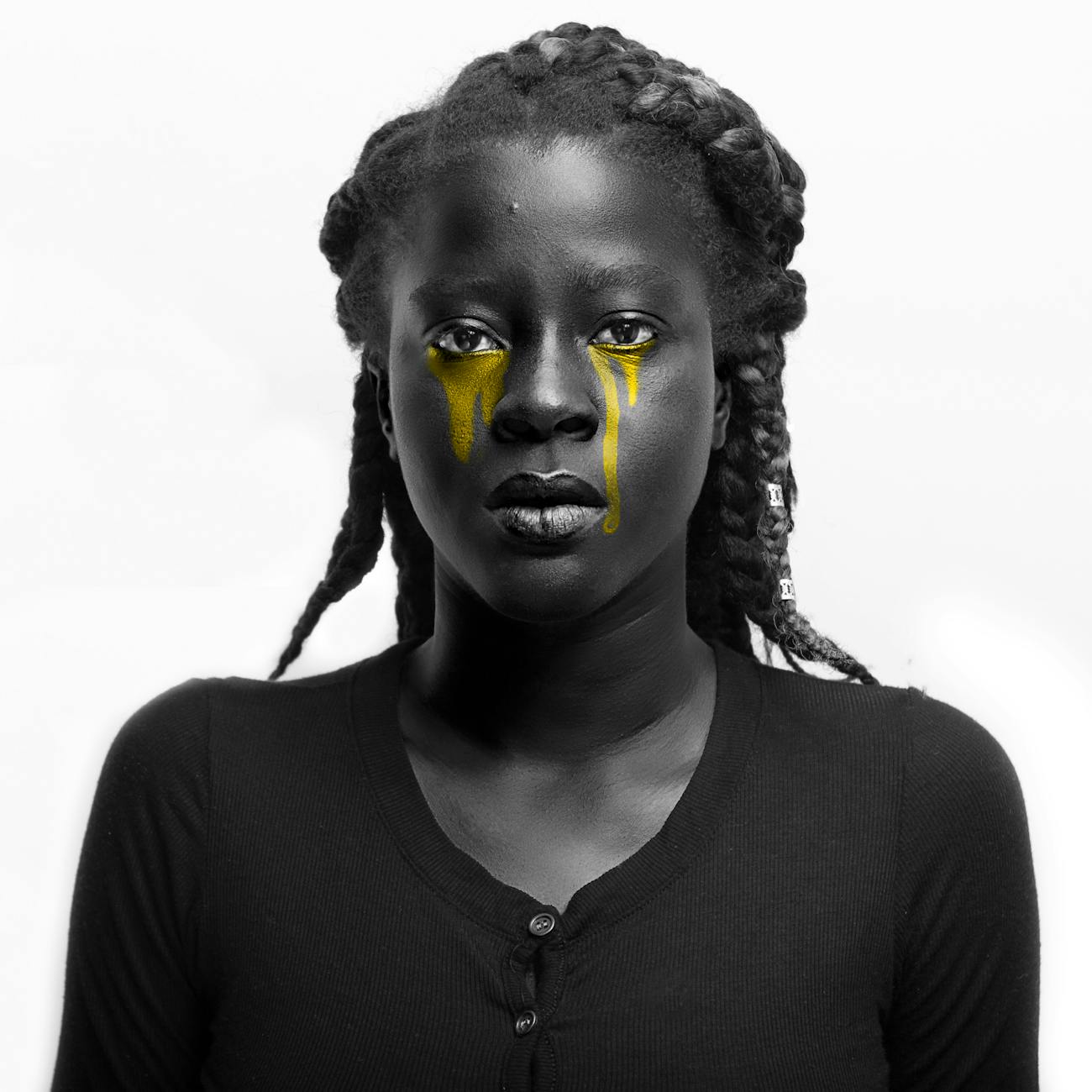
What I’m saying is that society is more likely to accept boys and men for who they are, which means that they don’t have to mask as much. Women and girls, however, are under society’s microscope. Our actions and choices probed and corrected constantly. Our voices silenced or dismissed. And the same reigns true for those more subtle signs of neurodivergence — ignored, dismissed, overlooked, corrected.
But again, that’s another topic for another post. Still, keep all of that in the back of your mind if you’re from a neurodivergent family like mine and have girls. Boys and girls are almost equally as likely to be born with autism or some form of neurodivergence. The difference is that boys are more likely to show noticeable signs and be diagnosed. Just because your family doesn’t have a family history of females with neurodivergence doesn’t mean that they don’t exist. It could just mean that they’re high-masking.
So I’m curious to know — do any of your friends or family members sound similar to the ones I described from our families? If so, comment below. I’d love to hear about your suspected encounters with unconfirmed neurodivergence. And hey, thanks for taking the time to read this. You reading about our family’s neurodivergence is one step closer to helping the world improve today to make tomorrow better. And for that, I’m proud of you. Keep going. You’ve got this.
About the Author
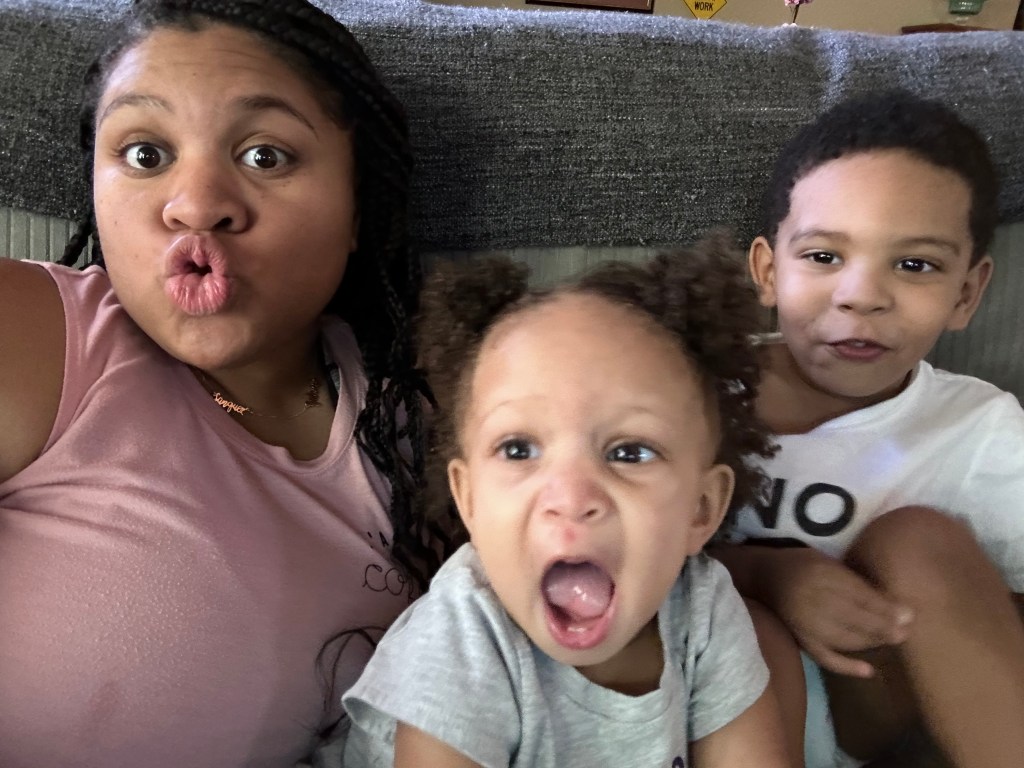
Alexandra is the founder of the ‘Tism Things platform and owner of online business The Shop by ‘Tism Things. A proud stay-at-home wife and mama to two amazing, smart, and empowered littles, Alexandra frequently spends her time learning about autism and ADHD, its effects on families and caregivers, and ways to support individuals with either or both conditions. Driven by her son and husband’s autism and ADHD diagnoses, Alexandra prides herself on employing creative methods to adapt her household into one that welcomes people of all neurological types, aiming to foster a sense of inclusivity, understanding and acceptance among anyone’s path she crosses.
When she’s not in a ’tism rabbit hole on the internet or playing with her babies, she’s likely out shopping, cooking something yummy, helping out her grandparents, or out in the garden trying to keep her plants alive in this Georgia heat. Honestly, probably that last one.
 'Tism Things Blog
Sound off!